

A Kuwait desert day trip takes you into a landscape shaped by the country’s geographical desert zone and continental climate. An organized outing can help you plan around access rules and changing weather.
- Setting: Kuwait’s desert landscape is part of a country in a geographical desert zone.
- From the hotel: About 50 minutes by car from a three-star aparthotel in Kuwait City.
- Protected areas: Entry requires a permit, and marked trails and reserve rules apply.
- Weather: Summers are extremely hot; dust storms and flash-flood risks follow seasonal patterns.
Where do Kuwait desert outings take place?
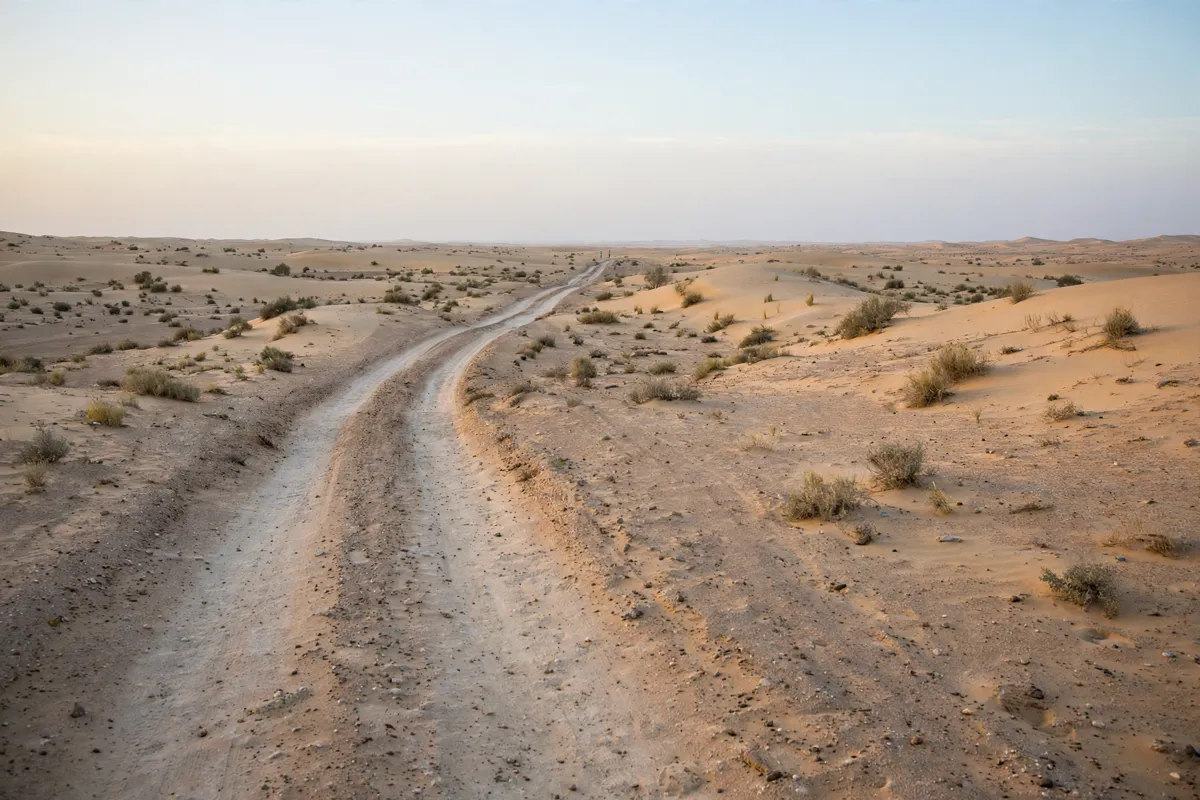
Kuwait’s desert zone has a continental climate, and outings may involve open landscapes and marked tracks. Protected areas have additional entry controls: the Environment Public Authority (EPA) says visitors need an entry permit, must carry personal ID and must register with security guards.
For a protected-area visit, check the official site before you go: EPA’s entry requirements and rules are the practical starting point. Do not assume that permission to enter one area applies to another.
How do you choose a Kuwait desert tour?
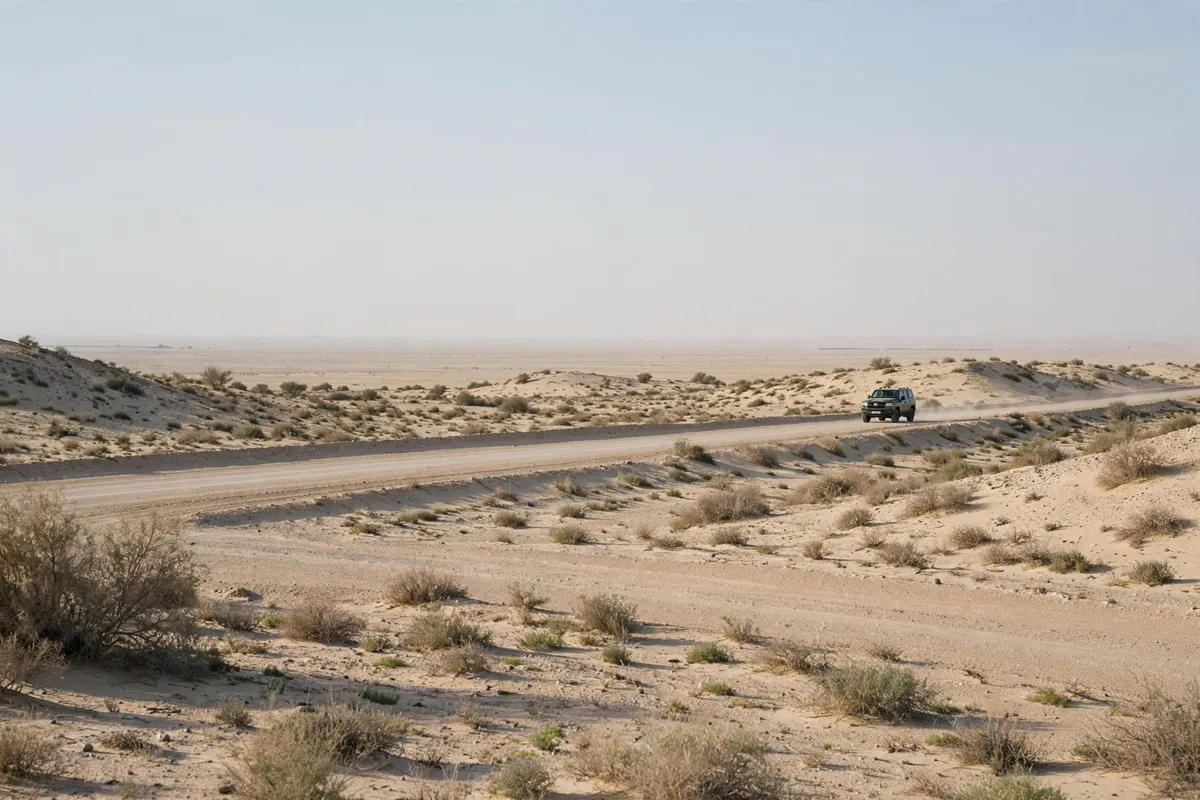
A Kuwait desert tour can be organized through a licensed trip organizer or planned independently, but the access requirements depend on where you intend to go. Kuwait Government Online offers a license service for companies organizing tourism trips; its application requirements include a trade license, commercial registration extract and civil ID, among other documents.
If you book an organized trip, ask the operator to clarify the destination and any permits required for entry. In a protected area, driving outside marked trails, camping, lighting fires and cooking are prohibited. Hunting or catching animals, and cutting or uprooting plants, are also prohibited.
When are seasonal conditions best for a desert day trip?
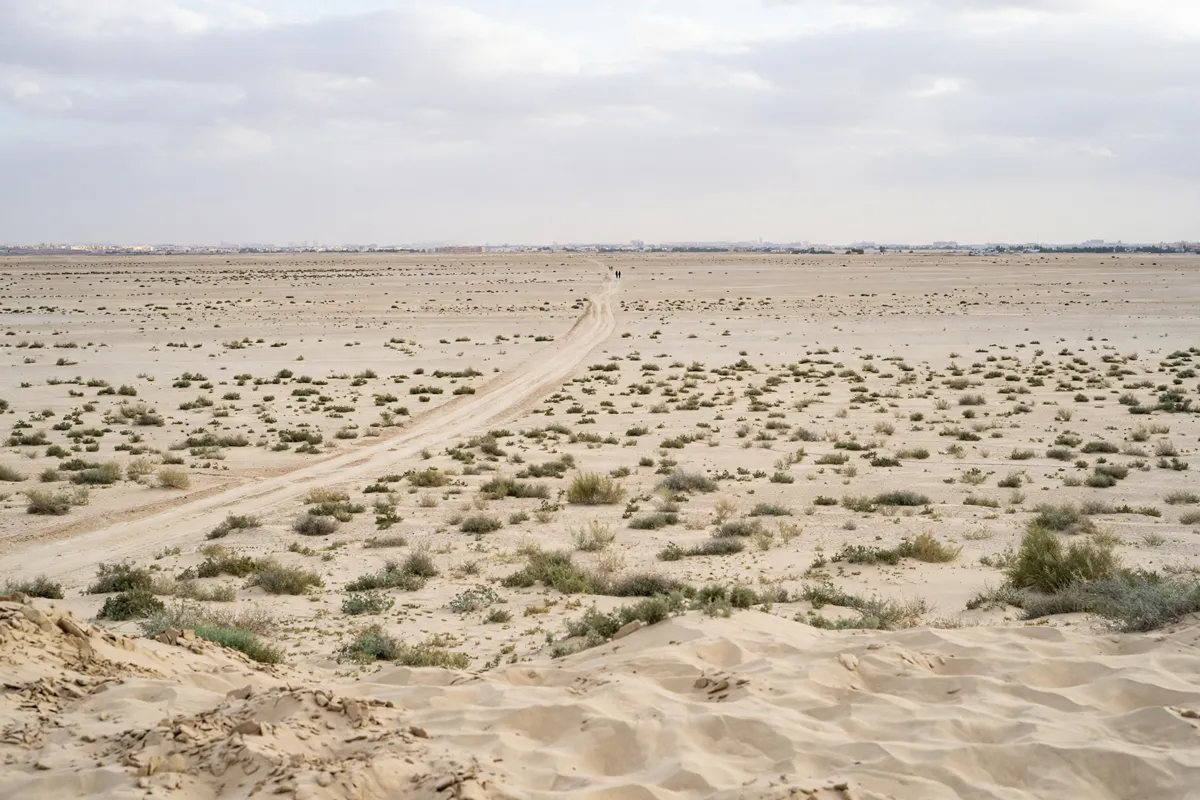
Kuwait has extremely hot summers and mild winters, with minimal rainfall. Heatwaves occur mostly from May to September, peaking in July and August; dust and sandstorms occur mostly from March to May, but can happen year-round.
Flash flooding is a concern mostly from November to April, with the highest risk in November and December. The Kuwait Meteorological Department is the country’s official weather-information provider and issues five-day forecasts twice daily, along with severe-weather watches and warnings. For more on seasonal patterns, read this Kuwait City weather-by-month guide.
What safety and access rules should you plan for?
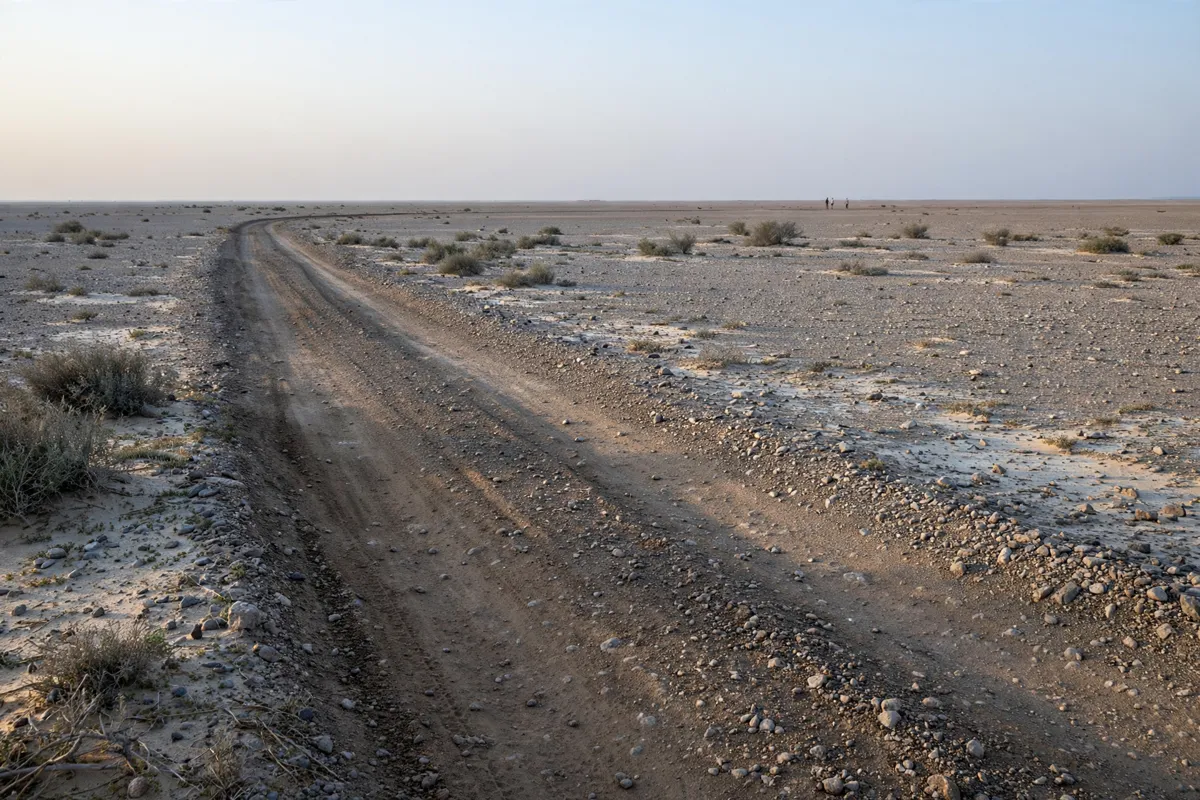
Choose a vehicle suited to desert trips, and do not cross flowing floodwater or drive through water of unknown depth. During rain, stay in the vehicle for protection from lightning; avoid wadis during rain and do not play in water-filled pits after rain.
If camping, choose high ground away from slopes and wadis, where runoff or falling rocks may pose a risk. Keep tents away from caves and deep ground fissures, which may shelter insects, rodents, snakes, spiders or scorpions. Fully extinguish embers and fires before sleeping in a tent to reduce fire and carbon-monoxide risks.
Before setting out in severe weather, check updates and warnings from the Kuwait Meteorological Department and travel advisories from the Ministry of Interior. Avoid driving during or after heavy rainstorms and through standing water, and monitor local media for road closures and weather updates.
FAQs
Do you need a permit to enter a protected area in Kuwait?
Yes. EPA says entry is permitted only for people holding an entry permit; visitors must also carry personal ID and register with security guards.
Can you drive off marked trails in a protected area?
No. EPA prohibits driving outside marked trails in the reserve.
When is flash-flood risk highest in Kuwait?
Flash flooding occurs mostly from November to April, with the highest risk in November and December.