

Kuwait City weather by month is shaped by a short winter, a variable spring, a long, very hot summer and a brief autumn. For guests at Al Salam Hotel Suites, knowing how those seasons typically fall can help you plan time outdoors and choose when to travel.
Kuwait International Airport is about 55 minutes by car from the hotel; plan your transfer with how to get a taxi from Kuwait International Airport.
- Winter: 6 December–15 February, with falling temperatures, clouds and rain.
- Spring: 16 February–20 May, with moderate but changeable conditions.
- Summer: 21 May–4 November, very hot and humid, with severe dust storms.
- Autumn: 5 November–5 December, generally moderate, with cool nights.
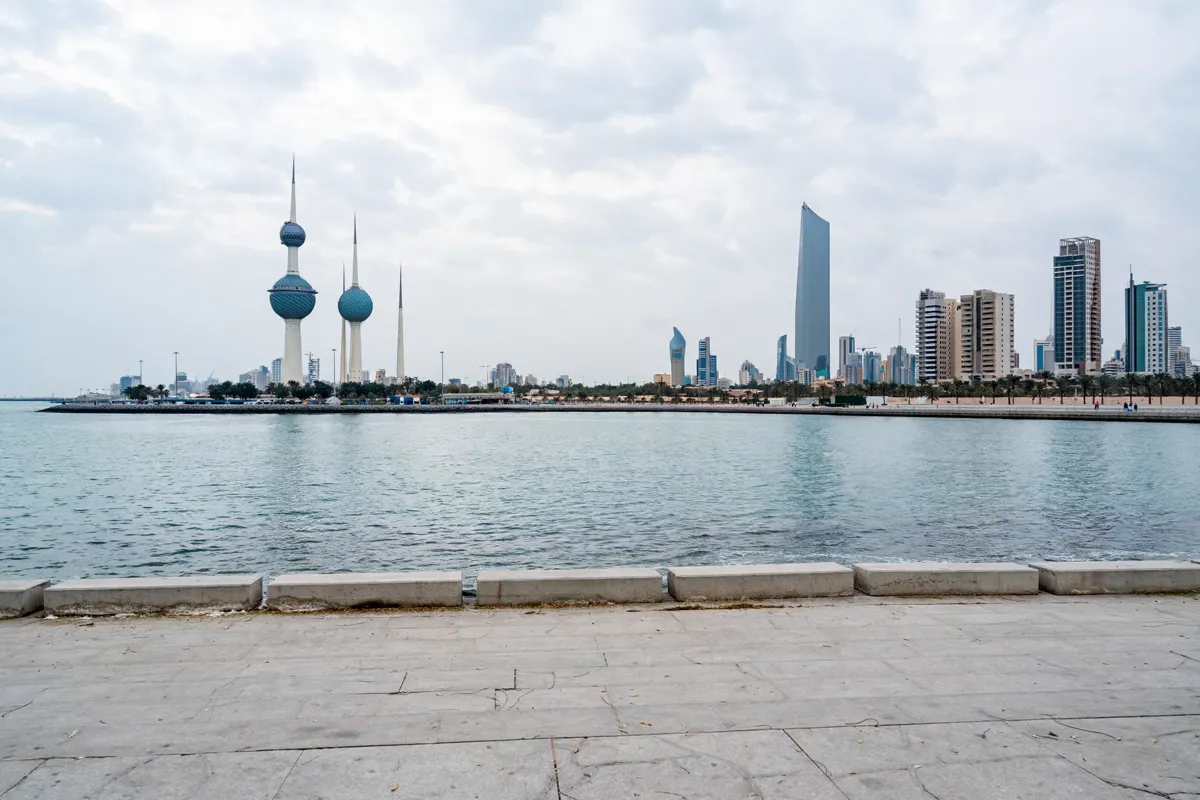
Kuwait City seasons at a glance
Kuwait’s seasonal pattern ranges from a short, warm winter to a long, hot, dry summer, with occasional rainfall. The Kuwait Meteorological Center divides the year into four seasons, though conditions within each can vary.
Winter runs from 6 December to 15 February. Spring follows from 16 February to 20 May, then summer continues from 21 May to 4 November. Autumn runs from 5 November to 5 December. Those boundaries make February a transition month: winter ends in the middle of the month, and spring begins immediately afterward.
These seasons describe broad patterns rather than a daily forecast. For current conditions and warnings, check the Kuwait Meteorological Center’s official site before you go.
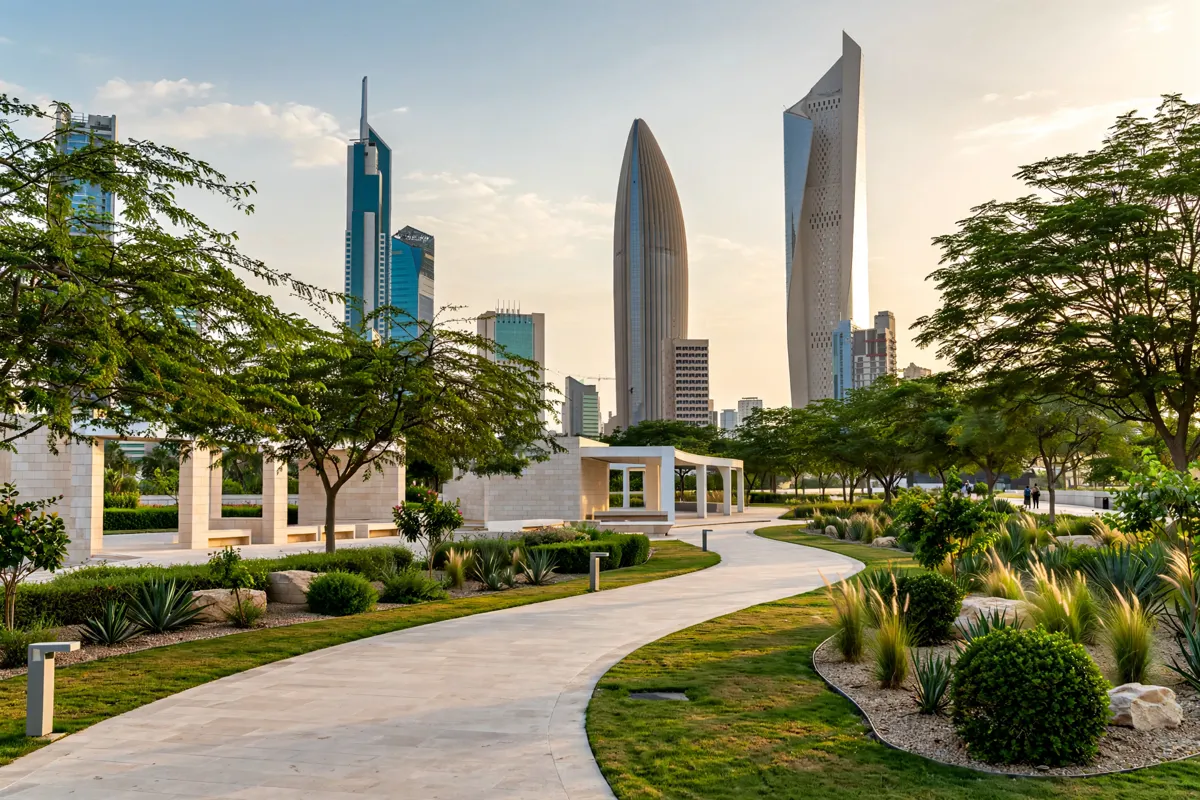
Winter weather and outdoor sightseeing
Kuwait City winter brings falling temperatures, clouds and rain, with very cold northwesterly winds at times.
The season’s coldest stretch, Murba’ania, runs from 6 December to 15 January. The Center describes cold to very cold nights and maximum temperatures of 13°C, which may fall to 3.3°C during cold northwesterly winds. From 16 January to 15 February, the mild-winter period can still bring cloud, rain, dust storms and occasional frost after cold northwesterly winds.
For outdoor sightseeing, allow for changing conditions rather than assuming every winter day will be mild and dry. Al Shaheed Park is one outdoor setting to keep in mind when planning time outside. If you’re arranging a day around the city’s main sights, a route through Kuwait City in one day can help you plan the sequence.
How does Kuwait City weather change from spring to summer?

Spring is moderate but variable, while summer is very hot and humid, with severe dust storms.
Spring runs from 16 February to 20 May and can bring rain, thunderstorms and hot southerly winds. The hot southern Al-Suhail winds may occur from 15 March to 10 April and can bring maximum temperatures up to 41°C.
The Sarayat season, from 9 April to 13 May, can bring local afternoon or nighttime thunderstorms, dust storms and heavy rain. If a day trip to Failaka Island is on your itinerary, use the forecast to plan around these changing conditions.
Summer begins on 21 May. Its dry-summer period, from 6 June to 19 July, is associated with hot, dry Samoom winds and dust storms. From 6 June to 15 July, average maximum temperatures are 42–46°C, and skies are generally cloudless.
Humid periods often begin around 20 July and may recur through August, September and October. During the described humid summer period, average maximum temperatures are 45–46°C. For these months, plan outdoor activities with the heat and possible dust storms in mind, and use a current forecast to guide your day.

February festivals and national holidays
Hala February takes place every February and lasts approximately one month, celebrating National Day and Liberation Day.
Kuwait Government Online lists shopping promotions, concerts, poetry evenings, cultural seminars, visual arts exhibitions, daily prize raffles and sports tournaments among the festival’s activities. If you’re considering travel around a particular celebration or activity, confirm its schedule through official sources before making plans; the festival’s annual pattern does not establish dates for a specific edition.
February also straddles two weather seasons: winter continues through 15 February, and spring begins on 16 February. That shift can bring changing conditions, so check the forecast when planning outdoor time during the festival.
What should you pack for a Kuwait City visit?
Pack for the season: winter can bring cold nights and rain, while summer calls for preparation for intense heat, humidity and dust.
In winter, the Center’s descriptions of very cold nights, northwesterly winds, rain and occasional frost make warm layers and rain protection sensible considerations. Spring is less predictable: rain, thunderstorms, hot southerly winds and dust storms can all occur during the season.
Summer’s prolonged heat and recurring dust storms make it important to check conditions before spending time outdoors. Autumn is more moderate, with cool nights and daytime maximum temperatures of 20–30°C. As conditions can vary within each season, use the forecast to adjust what you bring and your plans for the day.
FAQs
What is the best time to visit Kuwait City?
The seasonal pattern suggests cooler periods are better suited to outdoor plans than the very hot summer. Winter can still bring rain, cold winds and very cold nights, so check conditions for your travel dates.
What is Kuwait weather like in February?
February begins in winter and shifts to spring on 16 February. The Center describes the winter period as potentially cloudy and rainy, while spring can bring moderate but variable temperatures, rain and thunderstorms.
How hot does Kuwait City get in summer?
Average maximum temperatures during the summer forty-day period, from 6 June to 15 July, are 42–46°C. The Center describes the humid summer period as having average maximum temperatures of 45–46°C.